
 BELIGAS PHARMA
Blog
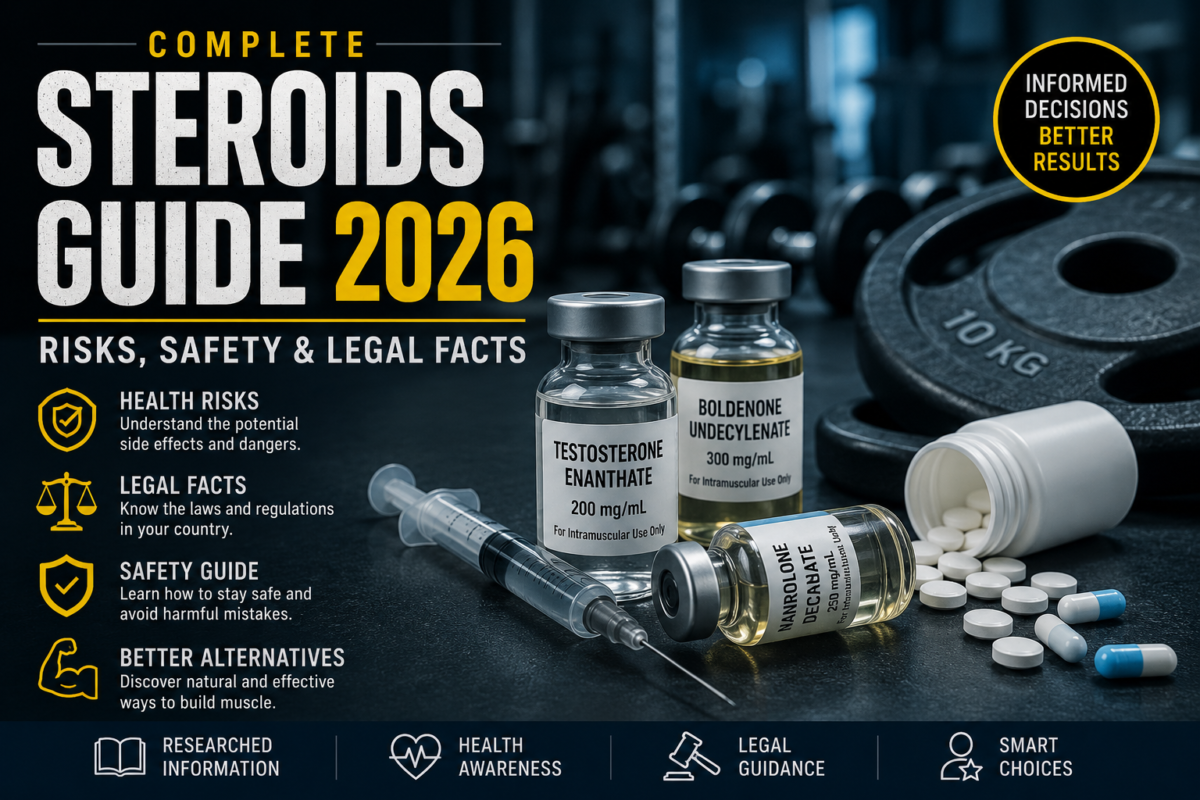
Complete Steroids Guide 2026: Risks, Safety & Legal Facts
Jun
The fitness industry continues to evolve rapidly, and in 2026, information about muscle growth, bodybuilding, athletic performance, and hormone-related substances is more accessible than ever before. Social media platforms, online communities, fitness influencers, and discussion forums have contributed to widespread conversations about anabolic steroids.
Despite their popularity, anabolic steroids remain one of the most misunderstood topics in the health and fitness world. Many discussions focus heavily on potential performance outcomes while overlooking important considerations such as health risks, legal implications, long-term effects, and consumer safety concerns.
This Steroids Guide 2026 aims to provide educational and evidence-based information for readers who want to understand anabolic steroids from a health, legal, and consumer awareness perspective. Rather than promoting or encouraging steroid use, this guide focuses on helping readers make informed decisions through accurate information and responsible research.
Steroids Guide 2026: Understanding Anabolic Steroids
What Are Anabolic Steroids?
Anabolic-androgenic steroids, commonly referred to as anabolic steroids, are synthetic substances designed to mimic certain effects of testosterone. Testosterone is a naturally occurring hormone that plays a significant role in muscle development, bone density, physical performance, and reproductive health.
The term “anabolic” refers to tissue-building properties, while “androgenic” relates to the development of male characteristics.
In medical settings, certain steroid medications may be prescribed under professional supervision for specific health conditions. However, outside legitimate medical use, anabolic steroids are often discussed within bodybuilding and athletic communities due to their potential influence on muscle growth and physical performance.
Understanding the biological effects of these substances is important because they impact multiple systems throughout the human body.
Why Are Steroids Popular?
Interest in steroids generally stems from a desire for faster physical transformation.
Common motivations include:
Muscle Development
Many individuals are attracted to the possibility of accelerated muscle growth.
Strength Enhancement
Improved strength and training performance are frequently discussed benefits.
Athletic Competition
Competitive environments often place pressure on athletes to maximize performance.
Bodybuilding Goals
Bodybuilding culture has historically contributed to discussions surrounding anabolic substances.
Recovery Expectations
Some individuals believe steroids may improve recovery speed following intense physical training.
Although these factors explain their popularity, potential benefits must always be considered alongside potential health consequences.
Steroids Guide 2026: How Steroids Affect the Human Body
Steroids influence the body’s hormonal environment and may affect various biological processes.
Protein Synthesis
Protein synthesis is essential for muscle repair and growth. Hormonal changes can influence the body’s ability to build new tissue.
Nitrogen Retention
Muscle tissue depends on maintaining a positive nitrogen balance. This process contributes to recovery and muscle development.
Red Blood Cell Production
Certain hormonal influences may impact oxygen delivery throughout the body.
Hormonal Regulation
External hormones can affect natural hormone production through feedback mechanisms within the endocrine system.
Because these effects involve multiple biological pathways, unintended consequences may occur when hormonal balance is disrupted.
Steroids Guide 2026: Legal Considerations in 2026
Laws regarding anabolic steroids vary significantly between countries and jurisdictions.
Important legal considerations include:
Prescription Regulations
Some substances may require medical authorization depending on local regulations.
Import Restrictions
Cross-border transportation and importation may be subject to customs regulations.
Controlled Substance Laws
Certain compounds may fall under controlled substance frameworks.
Sports Compliance
Professional sports organizations and anti-doping agencies often maintain strict policies regarding performance-enhancing substances.
Individuals should always familiarize themselves with applicable laws and regulations within their region.
Steroids Guide 2026: Online Safety and Consumer Awareness
In 2026, consumers have access to an unprecedented amount of health and fitness information online. While this accessibility has many benefits, it has also created opportunities for misinformation, deceptive marketing practices, and counterfeit products.
Developing strong consumer awareness skills is essential for anyone researching health-related topics online.
Identifying Misleading Health Claims
One of the most common problems on the internet is exaggerated marketing.
Consumers should approach claims with caution when they encounter statements such as:
- “Guaranteed results.”
- “No side effects.”
- “Instant transformation.”
- “Scientifically proven miracle solution.”
- “Works for everyone.”
Health and fitness outcomes vary significantly between individuals. Any claim suggesting guaranteed results should be carefully evaluated.
Understanding the Importance of Evidence
Readers should always rely on trusted health organizations such as the World Health Organization (WHO) for evidence-based health information.
Reliable information should be supported by credible sources.
These sources may include:
- Medical institutions
- Academic research organizations
- Scientific journals
- Government health agencies
- Licensed healthcare professionals
When evaluating information, prioritize evidence over marketing language.
The Problem of Confirmation Bias
Many individuals search for information that supports their existing beliefs.
This tendency is known as confirmation bias.
For example, a person interested in a particular fitness strategy may focus only on positive testimonials while ignoring discussions about risks or limitations.
Developing critical thinking skills helps reduce the influence of confirmation bias and encourages more balanced decision-making.
Steroids Guide 2026: Common Myths About Steroids
The internet contains numerous misconceptions regarding anabolic steroids.
Understanding these myths can help consumers make better-informed decisions.
Myth #1: Steroids Automatically Create Success
Physical development depends on numerous factors, including:
- Training quality
- Nutrition
- Recovery
- Genetics
- Consistency
No single factor guarantees success.
Myth #2: Side Effects Only Happen to Other People
Individual responses vary significantly.
Health risks may affect people differently based on age, genetics, lifestyle, existing health conditions, and many other factors.
Myth #3: More Is Always Better
In many areas of health and fitness, excessive approaches often increase risk without providing proportional benefits.
Balanced and evidence-based strategies generally produce more sustainable outcomes.
Myth #4: Online Information Is Always Accurate
The internet contains both valuable educational resources and misinformation.
Consumers should verify important claims through reliable sources before accepting them as factual.
Building Muscle Naturally: Evidence-Based Alternatives
Many individuals can achieve impressive results through natural methods without relying on performance-enhancing substances.
Read our Complete Muscle Building Guide to learn more about natural muscle growth strategies.
Progressive Resistance Training
Progressive overload remains one of the most effective principles for muscle growth.
This involves gradually increasing:
- Training volume
- Resistance
- Intensity
- Exercise complexity
Consistent progression encourages adaptation and long-term improvement.
Nutrition Optimization
Nutrition plays a critical role in body composition and athletic performance.
Protein Intake
Protein supports muscle repair and recovery.
Quality protein sources include:
- Lean meats
- Fish
- Eggs
- Dairy products
- Legumes
- Plant-based protein sources
Balanced Energy Intake
Calorie consumption should align with individual goals.
Some individuals may require a caloric surplus for muscle growth, while others may prioritize fat loss or weight maintenance.
Micronutrients
Vitamins and minerals support:
- Immune function
- Recovery
- Energy production
- Hormonal processes
A balanced diet helps support overall health.
Recovery and Sleep
Recovery is often underestimated.
Benefits of adequate sleep include:
- Improved muscle recovery
- Enhanced hormone regulation
- Better cognitive performance
- Improved training quality
Most adults benefit from maintaining a consistent sleep schedule.
Stress Management
Chronic stress can influence:
- Recovery capacity
- Motivation
- Sleep quality
- Overall health
Stress-management techniques such as mindfulness, exercise, and structured routines may contribute to better long-term results.
The Importance of Medical Guidance
Health-related decisions should ideally be made with professional support.
Healthcare professionals can assist with:
Health Assessments
Comprehensive evaluations help identify existing health conditions and risk factors.
Laboratory Monitoring
Laboratory testing may provide valuable information regarding:
- Hormonal health
- Cardiovascular markers
- Liver function
- Kidney function
- Metabolic health
Evidence-Based Recommendations
Healthcare professionals can provide guidance based on scientific evidence rather than marketing claims or online trends.
Long-Term Health Planning
Sustainable health outcomes require long-term planning rather than short-term decision-making.
Professional guidance can help individuals establish realistic and healthy goals.
The Future of Fitness and Consumer Awareness
The fitness industry continues to evolve rapidly.
Several trends are expected to shape the future:
Increased Health Education
Consumers are becoming more aware of evidence-based fitness practices.
Greater Transparency
Many organizations are emphasizing transparency regarding ingredients, manufacturing standards, and scientific research.
Improved Digital Literacy
As consumers become more skilled at evaluating online information, misleading claims may become easier to identify.
Focus on Long-Term Health
The fitness industry is increasingly recognizing that sustainable health outcomes are more valuable than short-term physical changes.
Frequently Asked Questions (FAQ)
What are anabolic steroids?
Anabolic steroids are synthetic substances related to testosterone that can influence muscle growth, recovery, and physical performance.
Why are steroids controversial?
Steroids are controversial because discussions often involve potential performance benefits alongside significant health risks, legal considerations, and ethical concerns.
Can steroids affect heart health?
Cardiovascular health concerns are among the most commonly discussed risks associated with steroid misuse.
Are steroids legal everywhere?
No. Laws vary significantly between countries and regions. Individuals should review applicable regulations in their jurisdiction.
Why is consumer awareness important?
Consumer awareness helps individuals identify misleading claims, evaluate evidence, and make informed decisions regarding health-related information.
Can natural training still produce significant results?
Yes. Consistent training, proper nutrition, adequate recovery, and long-term commitment can lead to substantial improvements in physical performance and body composition.
What should I look for when evaluating health information online?
Focus on evidence-based information from qualified professionals, reputable organizations, and scientific research.
Conclusion
You may also enjoy our Recovery and Sleep Guide for Athletes.Understanding anabolic steroids requires more than simply examining discussions about muscle growth or athletic performance. A complete understanding also includes health risks, hormonal considerations, legal regulations, consumer awareness, and long-term well-being.
In 2026, access to information has never been greater. However, the ability to distinguish reliable information from misinformation remains one of the most important skills consumers can develop.
Whether an individual is interested in bodybuilding, athletic performance, general fitness, or health education, informed decision-making should always be the foundation of every choice.
Sustainable progress is typically built through consistency, structured training, balanced nutrition, adequate recovery, evidence-based practices, and a commitment to long-term health.
By prioritizing education and critical thinking, individuals can better navigate the complex world of fitness information and make decisions that support both their immediate goals and their future well-being.
