
 BELIGAS PHARMA
Blog
How to Spot Fake Lab Test Reports for Performance Supplements (2026 Guide)
Jun
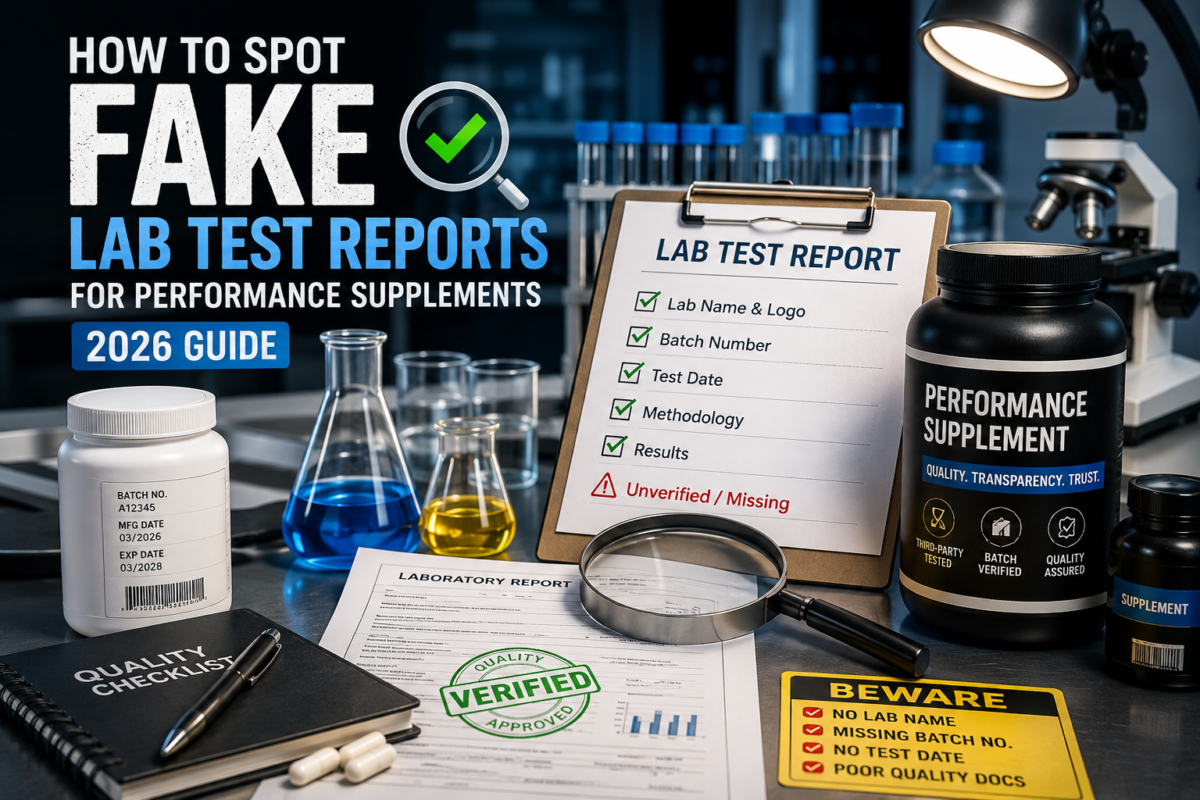
Fake lab test reports are becoming an important topic for consumers who want to evaluate the transparency and quality standards associated with performance supplements. Understanding how these reports work can help buyers make more informed decisions and identify brands that prioritize transparency.
The fitness and performance supplement industry has grown rapidly over the past few years. Along with that growth, consumers are paying more attention to product transparency, manufacturing quality, and laboratory testing.
Many brands now display certificates, quality reports, or laboratory documents on their websites. While this can be helpful, not every document provides the same level of information. Understanding what a genuine quality report should include can help buyers make more informed decisions.
This guide explains the basic elements commonly associated with product testing documentation and highlights several transparency indicators that responsible consumers often look for before making a purchase.
Many experienced buyers now pay closer attention to fake lab test reports because transparent documentation can help them compare products more confidently.
Why Product Transparency Matters
Modern buyers want more than attractive packaging and marketing claims. They want confidence that the products they purchase have been manufactured under appropriate standards and that important product information is available.
Learning how to evaluate product labels can also help consumers make more informed purchasing decisions.
For a broader overview of product authenticity, readers may also find our performance supplement brand verification guide helpful.
Transparent brands often provide details such as:
- Ingredient information
- Manufacturing dates
- Batch or lot numbers
- Expiration dates
- Storage recommendations
- Quality assurance statements
Having access to this information helps consumers compare products more effectively and encourages higher standards across the industry.
What Are Fake Lab Test Reports?
A laboratory report is generally a document associated with quality control or analytical testing. Depending on the manufacturer or testing facility, these reports may include information about product identification, batch references, testing dates, or analytical methods.
Different companies use different reporting formats, so there is no single universal template.
However, organized documentation often contains several identifiable sections that help establish traceability.
1. Check for Product Identification
One of the first things many experienced buyers examine is whether the document clearly identifies the product.
A well-organized report often includes:
- Product name
- Product code
- Batch or lot reference
- Date of analysis
- Laboratory reference number
If important identifying information appears incomplete or inconsistent, consumers may want to gather additional information before making a decision.
2. Look for Batch Numbers
Batch numbers play an important role in manufacturing and inventory management.
A batch number allows manufacturers to distinguish one production run from another. It also helps with quality control and product traceability.
When reviewing product information, it can be helpful to check whether the batch reference appears consistently across packaging and supporting documentation.
Consistency is generally a positive sign of organized record keeping.
3. Pay Attention to Dates
Dates provide useful context.
Many quality documents include:
- Testing date
- Production date
- Review date
- Expiration date
If dates appear missing or difficult to interpret, consumers may wish to contact the seller for clarification.
Keeping accurate records is an important part of quality management for many businesses.
4. Review Overall Document Quality
A professional document usually follows a logical structure.
Look for:
- Clear formatting
- Organized tables
- Consistent fonts
- Readable labels
- Proper alignment
A document that appears heavily edited, poorly formatted, or inconsistent may simply reflect design choices, but it can also encourage buyers to ask additional questions.
Careful consumers often compare multiple pieces of information rather than relying on a single indicator.
5. Understand Third-Party Testing
Many consumers also look for manufacturers that follow recognized quality systems such as Good Manufacturing Practice (GMP).
The phrase “third-party tested” has become increasingly common.
In general, third-party testing refers to evaluation performed by an independent organization rather than the product manufacturer itself.
Many consumers appreciate independent verification because it can add another layer of confidence and transparency.
However, it is still important to review the information provided and understand what aspects of the product were evaluated.
6. Transparency Is More Important Than Marketing
Modern consumers have access to more information than ever before.
Rather than focusing only on advertising claims, many experienced buyers compare:
- Product information
- Ingredient disclosure
- Company transparency
- Customer support
- Quality documentation
- Consistency across official materials
Brands that openly share information often create greater long-term trust with their audience.
Understanding fake lab test reports is one of the simplest ways consumers can improve their product research process.
7. Ask Questions Before Buying
Responsible buyers should never hesitate to ask questions.
Helpful questions may include:
- Is product information clearly available?
- Does the company provide batch identification?
- Are storage recommendations included?
- Is customer support easy to contact?
- Are important product details explained clearly?
A transparent company will generally try to provide straightforward answers.
8. Compare Multiple Sources
Instead of relying on a single webpage or image, compare information from several official sources.
Review:
- Official website information
- Product labels
- Packaging details
- Published policies
- Customer service responses
Looking at the complete picture often provides a better understanding than focusing on one isolated document.
Common Mistakes Consumers Make
Learning how to identify fake lab test reports helps consumers make more informed purchasing decisions.
Assuming every document follows the same format
Different manufacturers and testing organizations may use different layouts.
Ignoring batch information
Batch references can be useful for product traceability.
Focusing only on marketing language
Clear information and transparency are often more valuable than promotional claims.
Not reading the label carefully
Product labels contain important details about usage, storage, and identification.
A Simple Consumer Checklist
Before purchasing any performance support product, many buyers use a simple checklist:
✔ Read the full product label.
✔ Check for batch or lot identification.
✔ Review manufacturing and expiration dates.
✔ Compare information across official sources.
✔ Contact customer support if clarification is needed.
✔ Choose brands that value transparency and clear communication.
Final Thoughts
By learning how to recognize fake lab test reports, consumers can focus more on transparency, consistency, and reliable product information.
As the performance supplement industry continues to evolve, informed consumers are placing greater importance on transparency and quality assurance.
While no single document should be viewed as the only factor in a purchasing decision, understanding product information, batch references, and quality documentation can help buyers make more informed choices.
Taking a few extra minutes to review available information, compare official sources, and ask questions when necessary is a practical habit that supports smarter purchasing decisions.
Consumers who value transparency often prefer to review a company’s complete performance product collection before making a decision.
In the long run, transparency, consistency, and clear communication remain some of the strongest indicators that a company values consumer trust.
Frequently Asked Questions
How can consumers identify fake lab test reports?
Consumers should carefully review product identification, batch numbers, dates, and overall transparency instead of relying on a single document.
What is a batch number?
A batch number is an identification code used to distinguish one manufacturing run from another and helps support product traceability.
Why do some brands mention third-party testing?
Independent testing can provide additional quality assurance and transparency for consumers.
Should consumers rely only on a laboratory document?
No. It is generally best to consider product labels, official information, and company transparency together.
Why is transparency important?
Clear and consistent information helps consumers compare products and make more informed purchasing decisions.
